Application of New Eco-friendly Waxes in Tin Candles

Eco-friendly Tin Materials and Their Benefits for Sustainable Candle Packaging
02/02/2026
Application of New Eco-friendly Waxes in Tin Candles
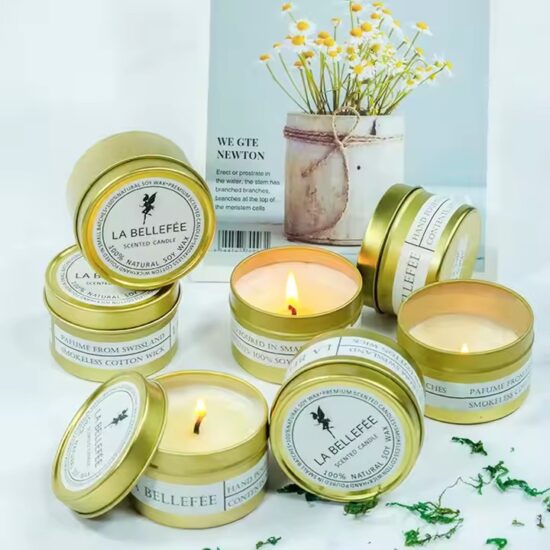
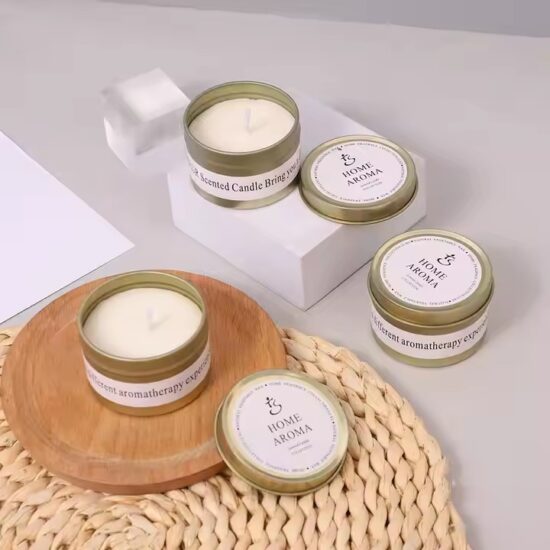
As consumers become more environmentally conscious, the demand for sustainable home fragrance products—especially candles—continues to rise. Tin candles, known for their portability and stylish appeal, are now being paired with eco-friendly waxes to offer a greener, cleaner, and safer experience.
This shift from traditional paraffin to plant-based, biodegradable waxes reflects a larger trend in the candle industry, one that emphasizes sustainability, health, and innovation. Let’s explore the key eco-friendly waxes used in tin candles today and how they’re transforming the market.
🌱 Popular Types of Eco-friendly Waxes in Tin Candles
1. Soy Wax
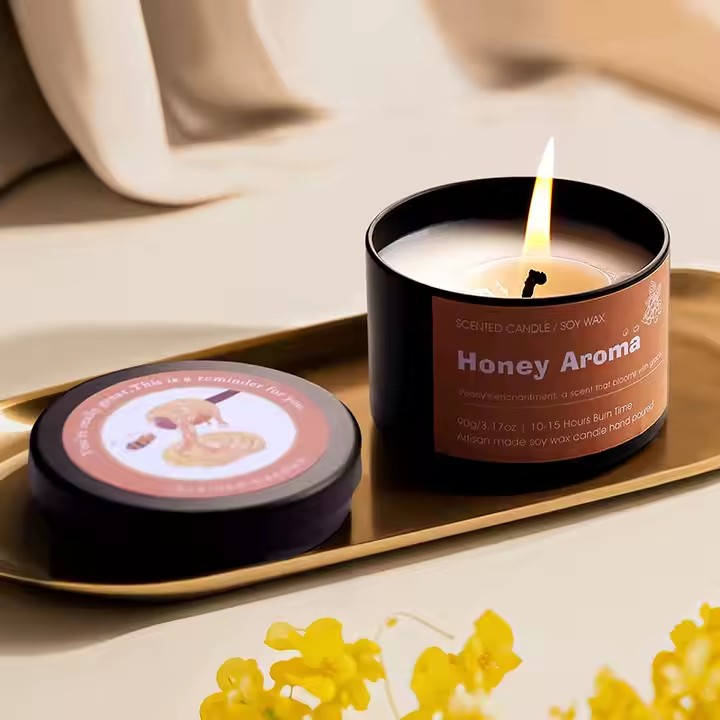
Derived from soybeans, soy wax is one of the most widely used eco-friendly alternatives to paraffin. It is biodegradable, renewable, and burns cleaner with minimal soot.
Benefits in Tin Candles:
-
Smooth surface finish
-
Great scent throw
-
Long, even burn
-
Compatible with most tin sizes and shapes
2. Coconut Wax
Extracted from coconut oil, this wax is known for its creamy texture and superior fragrance diffusion. It’s often blended with soy wax for enhanced performance.
Benefits in Tin Candles:
-
Excellent scent throw (hot and cold)
-
Low melting point
-
Smooth, luxury finish
-
Fully biodegradable
3. Beeswax
A natural byproduct of beekeeping, beeswax emits a subtle honey-like aroma and burns for a long time without emitting toxins.
Benefits in Tin Candles:
-
Natural air purifier (produces negative ions)
-
Long burn time
-
Pleasant, subtle fragrance
-
Premium market appeal
4. Rapeseed (Canola) Wax
Produced from the rapeseed plant, this wax is growing in popularity in Europe due to its local production and sustainable credentials.
Benefits in Tin Candles:
-
Low environmental impact
-
Clean, slow burn
-
Excellent for vegan and palm-free candle lines
🌍 Why Use Eco-friendly Wax in Tin Candles?
✅ Consumer Preference Shift
Modern buyers are actively seeking clean-burning, non-toxic candles with natural ingredients and sustainable packaging.
✅ Improved Indoor Air Quality
Eco waxes reduce soot and harmful emissions, making them safer for enclosed spaces.
✅ Sustainable Brand Positioning
Pairing eco waxes with recyclable tin containers strengthens your brand’s commitment to sustainability and resonates with eco-conscious customers.
✅ Creative Formulation Options
New wax types offer diverse textures and performance characteristics, allowing candle makers to create unique blends for signature products.
🕯️ Application Tips for Manufacturers
-
Wick Selection: Choose wicks suited to the wax type to ensure optimal burn quality.
-
Tin Coating Compatibility: Ensure tins have food-safe or heat-resistant coatings when using low-melt waxes like coconut.
-
Blending for Performance: Combine eco waxes (e.g., soy + coconut) for improved scent throw, appearance, and burn characteristics.
-
Scent and Dye Behavior: Test fragrance load and dye dispersion across different waxes for consistent quality.
✅ Conclusion
The use of new eco-friendly waxes in tin candles represents a powerful intersection of environmental responsibility, product innovation, and consumer appeal. Whether you’re a candle brand owner or wholesaler, embracing these sustainable wax options can elevate your products and align your business with the future of home fragrance.